




Neither style wins outright, because the right choice depends on the mood you want, not the room you have. Abstract art prints suit spaces that need energy, color, and open interpretation, while photography suits spaces that need story, realism, and calm. Still, many of the best interiors use both. If you are choosing between abstract art prints for sale and photographic work, this guide will help you decide.
At Artography Limited, we license both styles from established artists, estates, and rising stars. That gives us a clear view of how each one performs on a real wall. Some clients lean toward bold shapes, and others prefer a striking photograph with a clear subject.
Below, we compare the two styles, show you how to match them to different rooms, and explain why authentication matters for both.
Table of Contents
- What Makes Abstract Art and Fine Art Photography Different?
- Which Style Fits Which Room?
- Can You Mix Abstract and Photography on One Wall?
- Why Does Authentication Matter for Both Styles?
- Which Style Should You Choose?
- FAQs
What Makes Abstract Art and Fine Art Photography Different?
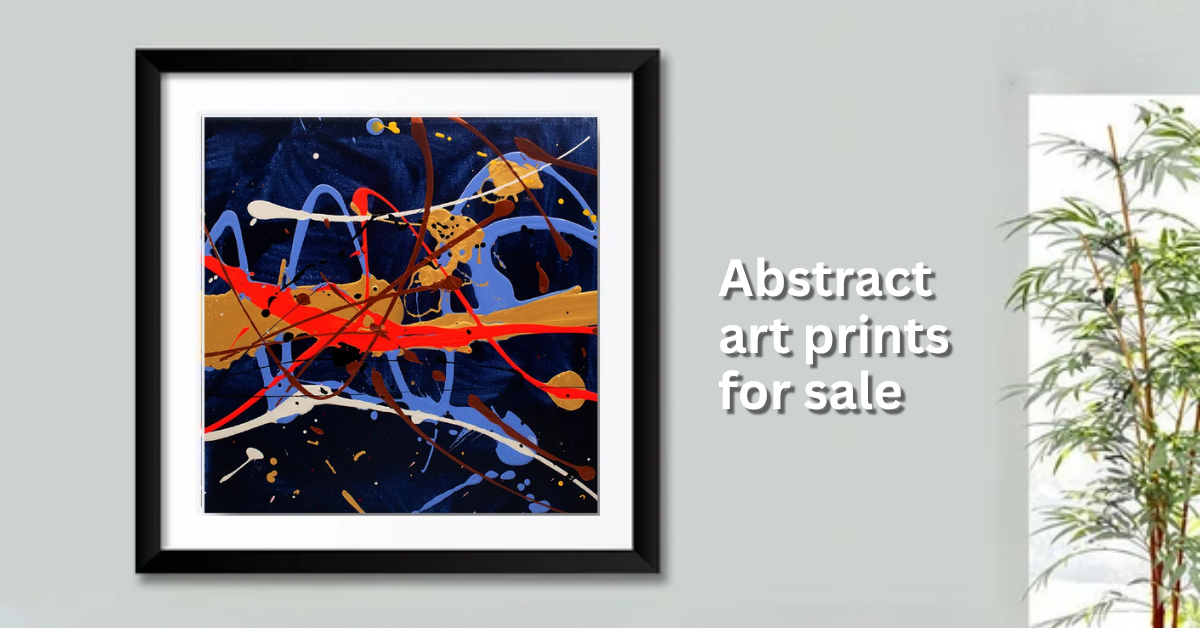
Abstract art works through color, shape, and movement. It does not show a recognizable scene, so each viewer reads it a little differently. That openness makes abstract pieces flexible. A single canvas can calm one person and energize another, and it can match many furniture styles.
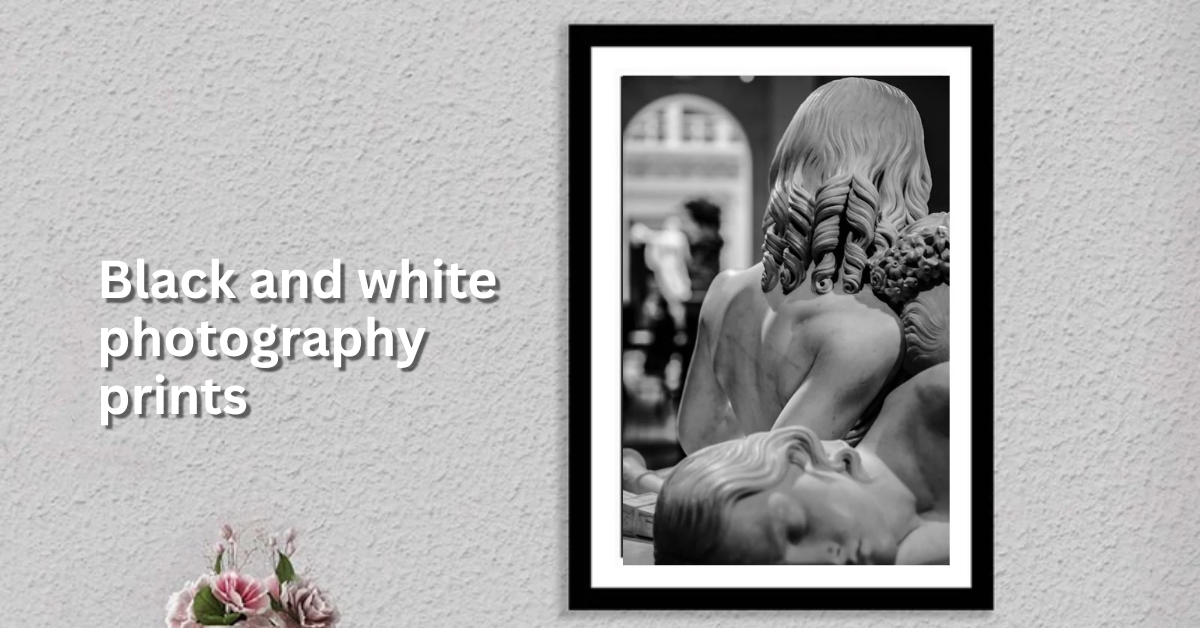
Photography works through subject and light. A photograph captures a real place, animal, or moment, and it gives the viewer something specific to hold onto. Therefore, photographic art tends to start conversations about the story behind the image. A coastline, a street, or a portrait can anchor a room in a particular mood.
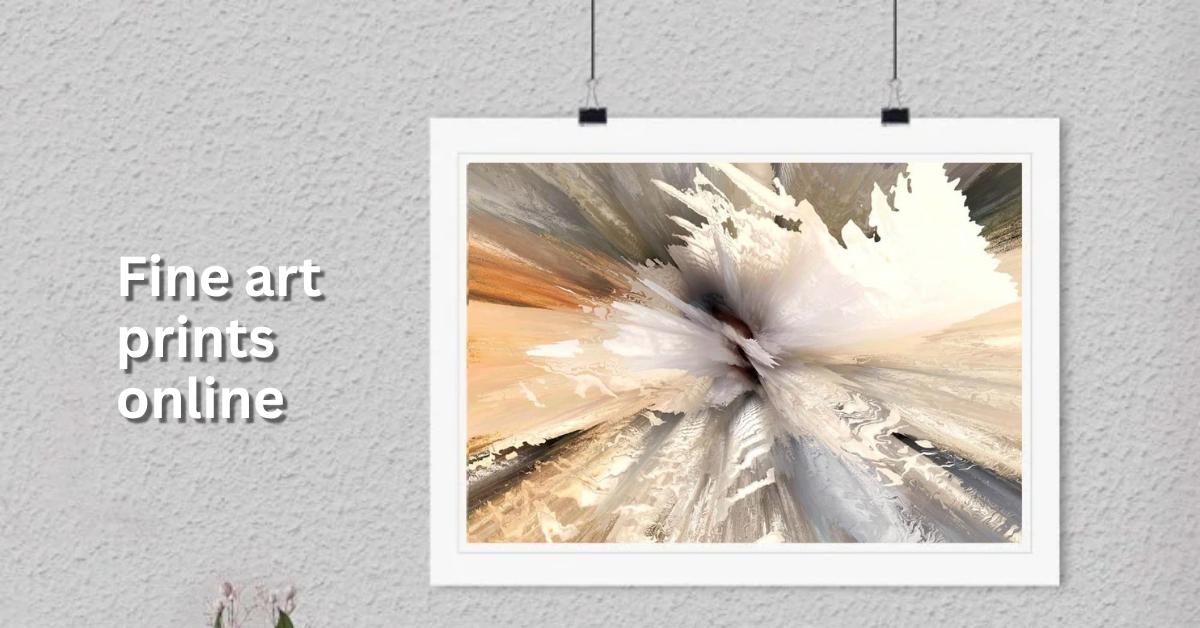
Both styles can reach museum standards. When you shop for fine art photography prints, look at the details that separate fine art from decor. We digitize each image at 300 DPI, so texture, tone, and depth stay sharp at large sizes. We then print on demand with quality materials, and we frame or stretch each piece for display.
Which Style Fits Which Room?
Living rooms usually welcome large abstract work. A big piece above the sofa gives the room a focal point, and its colors can tie together cushions, rugs, and accessories. If the furniture is neutral, a vivid abstract adds personality without clutter.
Bedrooms and bathrooms often favor calmer photography. Seascapes, quiet landscapes, and soft monochrome images help people unwind. In these rooms, a recognizable scene can feel more restful than a busy pattern of color.
Offices and lobbies can use either style, depending on the message. Abstract art suggests creativity and forward thinking. Photography suggests place, heritage, and focus. Hotels often use photography in guest rooms and abstract art in public spaces, so each area gets the mood it needs.
Size matters as well. Large formats reward both styles, but they reward detail most of all. That is another reason we hold masters at high resolution.
Can You Mix Abstract and Photography on One Wall?
Yes, and the result often looks better than either style alone. The trick is to find a shared thread. Pull one color from the abstract piece and look for the same tone in a photograph. A deep blue canvas, for example, pairs well with an ocean image that carries similar shades.
Keep the frames consistent. Matching frame colors or mat widths ties different styles together. In a gallery wall, place one large abstract as the anchor, and surround it with smaller photographs. This arrangement gives the eye a clear starting point and a calm path through the rest.
Avoid placing two very busy images side by side. Let one piece lead and the other support. Leaving breathing room between pieces helps each one make its point.
Why Does Authentication Matter for Both Styles?
Authentication protects value and builds trust. Many suppliers sell graphics made in house, or they reprint public domain images that nobody owns. Those pieces look similar from one supplier to the next, and they carry no real history. We license work from world famous photographers and artists, so every piece has a creator you can name.
Legal protection adds to that confidence. We incorporated in the United Kingdom to strengthen copyright protection for our artists, and to guard their work against unauthorized digital copying. When you buy from us, you also support the artists, because they earn royalties on each sale.
Delivery supports the process. Our production partners print and ship across the USA, Canada, Mexico, the UK, Spain, and Australia, and delivery typically takes under 9 days. You can browse more than 1,500 curated images across 23 categories, and you can order any hour of the day.
Which Style Should You Choose?
Choose abstract art when you want color, energy, and flexibility. Choose fine art photography when you want story, realism, and calm. Better yet, use both, and let each style do what it does best. Whatever you pick, favor authenticated work with high resolution masters. Explore Artography Limited today, and compare both collections for your next space.
Frequently Asked Questions
1. Is abstract art or photography better for a living room?
Both work well, so choose by mood. Large abstract art creates a bold focal point and ties furniture colors together. Photography adds story and calm. Many homeowners combine a large abstract anchor with smaller photographs for balance and depth.
2. Are fine art photography prints different from regular photo prints?
Yes. Fine art photography prints come from authenticated photographers with proper licensing, high resolution masters, and quality materials. Regular photo prints often skip those standards. As a result, fine art prints keep detail and color better, and they carry real credibility.
3. Can I mix abstract art and photography on one wall?
Absolutely. Find a shared color or frame style to link the pieces. Use one large abstract as an anchor, and surround it with smaller photographs. This approach keeps the wall cohesive while giving the eye variety and a clear focal point.
4. How do I know an abstract print is authentic?
Ask who made it and whether the seller holds reproduction rights. Authentic pieces come from named artists or estates under license. At Artography, we license our collections and protect them through our UK incorporation, so you can trace each image.
5. How large should an abstract print be above a sofa?
A good guide is about two thirds of the width of the sofa. That scale gives the wall weight and keeps the room balanced. Because we print on demand, you can choose a size that fits your wall instead of a stock format

Leave a comment
All comments are moderated before being published.
This site is protected by hCaptcha and the hCaptcha Privacy Policy and Terms of Service apply.